
Home Warranties Are a Bet You'll Probably Lose
Average cost: $600 a year. Average approved payout: $200 to $350. Denial rates on major claims run 30 to 50 percent. The math favors the house, not the homeowner. Here's when they're still worth it.

The Call Nobody Wants to Make
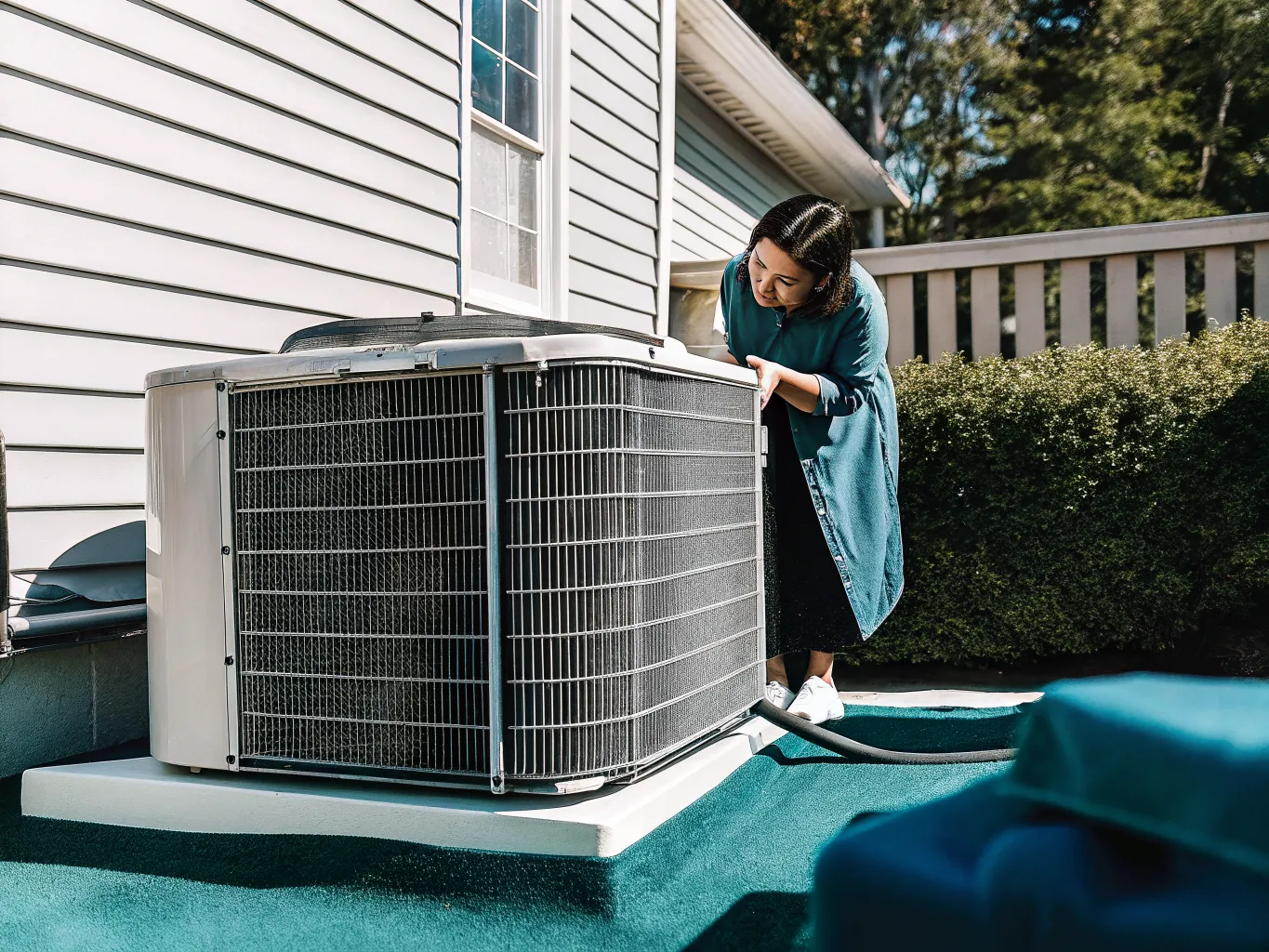
It's a Wednesday in August and your air conditioner just stopped. Not the gentle, gradual kind of stopping where you notice the house feels warmer than usual. The sudden kind. The compressor clicks, shudders, and goes silent while the thermostat reads 91 degrees and your toddler is melting down in the living room.
You remember the home warranty. You bought it at closing because the seller threw it in, or because your agent said it was "peace of mind for the first year." You call the 800 number. You wait on hold for 22 minutes. You describe the problem. They schedule a technician for Friday. Friday. Two days from now. In August.
The technician shows up, looks at the unit, and tells you the compressor failed because of "improper maintenance" (you don't have annual service records from the previous owner). Claim denied. The warranty company offers to cover a different, smaller repair that costs $180. Your service call fee was $85. Your out-of-pocket for a new compressor: $2,800.
That's not the worst home warranty story I've heard. Not even close. But it's one of the most common, and it captures how these products actually work versus how they're sold.
The Numbers Behind the Pitch
The home warranty industry generates roughly $3.8 billion in annual revenue. Average plan: $450 to $700 a year, with service call fees of $75 to $125 per visit on top. The pitch is simple: pay a fixed annual cost, and when something breaks, you call and they fix it. Sounds like homeowners insurance for your appliances.
It's not. Homeowners insurance is regulated by state insurance commissioners, backed by actuarial tables, and legally required to pay valid claims. Home warranties are service contracts. They're regulated differently (or barely regulated) in most states, and the company's obligation depends on the specific language in a contract you almost certainly didn't read before you signed.
The complaint data tells a consistent story. Denied claims for "pre-existing conditions." Long waits for service. Repair attempts instead of replacements, even when the repair costs more than the unit is worth. Off-brand replacement parts. Technicians who work for the warranty company's preferred vendor network, not necessarily the best contractor in your area.
What the Exclusions Actually Say
Every home warranty contract has an exclusions section. It's the longest part of the document and the only part that matters. Common exclusions across major providers:
- Pre-existing conditions. If the system was already failing before coverage started (and how would you know, if you just bought the house?), the claim can be denied. Single most common denial reason.
- Improper maintenance. No service records for your HVAC? No documented maintenance on the water heater? Denied. The definition of "proper maintenance" is set by the warranty company, not by any industry standard.
- Code violations. If the repair requires bringing a system up to current building code, the warranty company covers the repair but not the code upgrade. Guess which part costs more.
- Cosmetic damage. Rust, dents, discoloration. If the unit works but looks terrible, your problem.
- Secondary damage. The water heater bursts and floods the basement. Warranty covers the water heater replacement. The $6,000 in water damage to your floors, walls, and stored belongings? That's a homeowners insurance claim, assuming your deductible doesn't eat most of it.
Pre-existing conditions and improper maintenance together account for an estimated 40 to 60 percent of denied claims across the industry. Not obscure edge cases. The most common reasons your warranty won't pay.
The Math on Five Years of Coverage
Let's run the numbers the way the warranty company won't.
Five years of a mid-tier home warranty: $600 a year, so $3,000 total. Add two service calls a year (the national average for warranty holders): $85 each, another $850 over five years. Total investment: $3,850.
What do you get back? NAHB data on appliance and system lifespans suggests the average homeowner files 1.5 to 2 approved claims per year. Average approved payout per claim: $200 to $350, because warranty companies repair rather than replace whenever possible and use their own vendor pricing.
Over five years at two approved claims a year with an average payout of $275: $2,750 in coverage received. You spent $3,850 to get $2,750 back. The house won.
Now here's where the warranty wins. Your HVAC compressor fails in year one (replacement cost: $3,500) and the claim is approved. One major claim wipes out five years of premiums and then some. That's the value proposition: catastrophic coverage for a single expensive system failure.
The problem is the word "approved." If the denial rate on major claims runs 30 to 50 percent (and the complaint data suggests it does), you're flipping a coin on whether the warranty pays for the one event that would justify the entire purchase.
When a Home Warranty Genuinely Makes Sense
I'm not going to tell you home warranties are always a scam. They're not. They're a mediocre product that works in specific, narrow situations:
- You just bought a house and have no idea what condition the major systems are in. Year one is when surprises hit. A warranty puts a ceiling on repair costs while you learn what you're working with.
- Your HVAC, water heater, or major appliances are 8 to 15 years old and approaching end of life. If you can't absorb a $3,000 to $5,000 repair without financial stress, the warranty buys time.
- You're selling a house and want to offer a warranty to the buyer as a closing incentive. Actually the most common use case, and it works. Buyers feel better. Cost to the seller: $400 to $600.
Outside those situations? For most homeowners with systems in reasonable condition and some savings cushion, a home warranty is an insurance product whose math doesn't quite work.
The $50-a-Month Alternative
Here's what I tell friends who ask about home warranties (and they all ask, usually right after closing). Open a high-yield savings account. Name it "House Fund" or something you won't confuse with your regular savings. Set up a $50 automatic transfer on payday. Don't touch it unless something in the house breaks.
After one year: $600. About what the warranty would have cost. After three years: $1,800. After five: $3,000. Enough to cover most single-system repairs outright. The money is yours. No service call fee. No exclusion clauses. No hold music. No "we'll send a technician on Friday." You call whoever you want, whenever you want, and you pay from a fund you control.
If nothing breaks (a real possibility for houses under 15 years old), you still have the money. A home warranty premium, once paid, is gone whether you use it or not.
And if something catastrophic happens? A burst pipe, total HVAC failure, a foundation issue? That's what homeowners insurance is for. The warranty was never covering that anyway.
Before You Buy One Anyway
If you're still leaning toward a warranty (and for a first-year homeowner with old systems, that's not unreasonable), ask these before you sign:
- What's the claim denial rate? Most companies won't answer directly. Their response tells you something even if the number doesn't.
- Can I choose my own contractor, or am I locked into yours? Being stuck in the warranty company's vendor network is where most bad service experiences come from.
- What counts as "pre-existing" and "improper maintenance"? Get specific. If your HVAC breaks in month two and you can't produce the previous owner's maintenance records, will the claim be covered?
- What's the cap per claim and per year? Some warranties cap individual claims at $1,500 or $2,000. If your compressor costs $3,500, you're writing a check for the difference.
- How long does it take to get a technician? In summer, the answer can be "days." That matters when it's 95 degrees inside.
For a comparison of the major warranty providers on coverage limits, denial rates, and customer satisfaction, our American Home Shield vs. Choice Home Warranty breakdown covers the two biggest names. AHS vs. 2-10 and AHS vs. Cinch round out the picture if you're comparing more than two.
Ready to dig into the numbers? We have side-by-side breakdowns for every product mentioned in this article.