
The Space Heater Can Quietly Raise Your Electric Bill
It cost $39 at the hardware store and it feels almost free, which is the whole problem. Left running in the room you actually use, that little 1,500-watt box quietly outspends the furnace it was supposed to help you avoid. We ran the numbers the week the first cold snap hit.

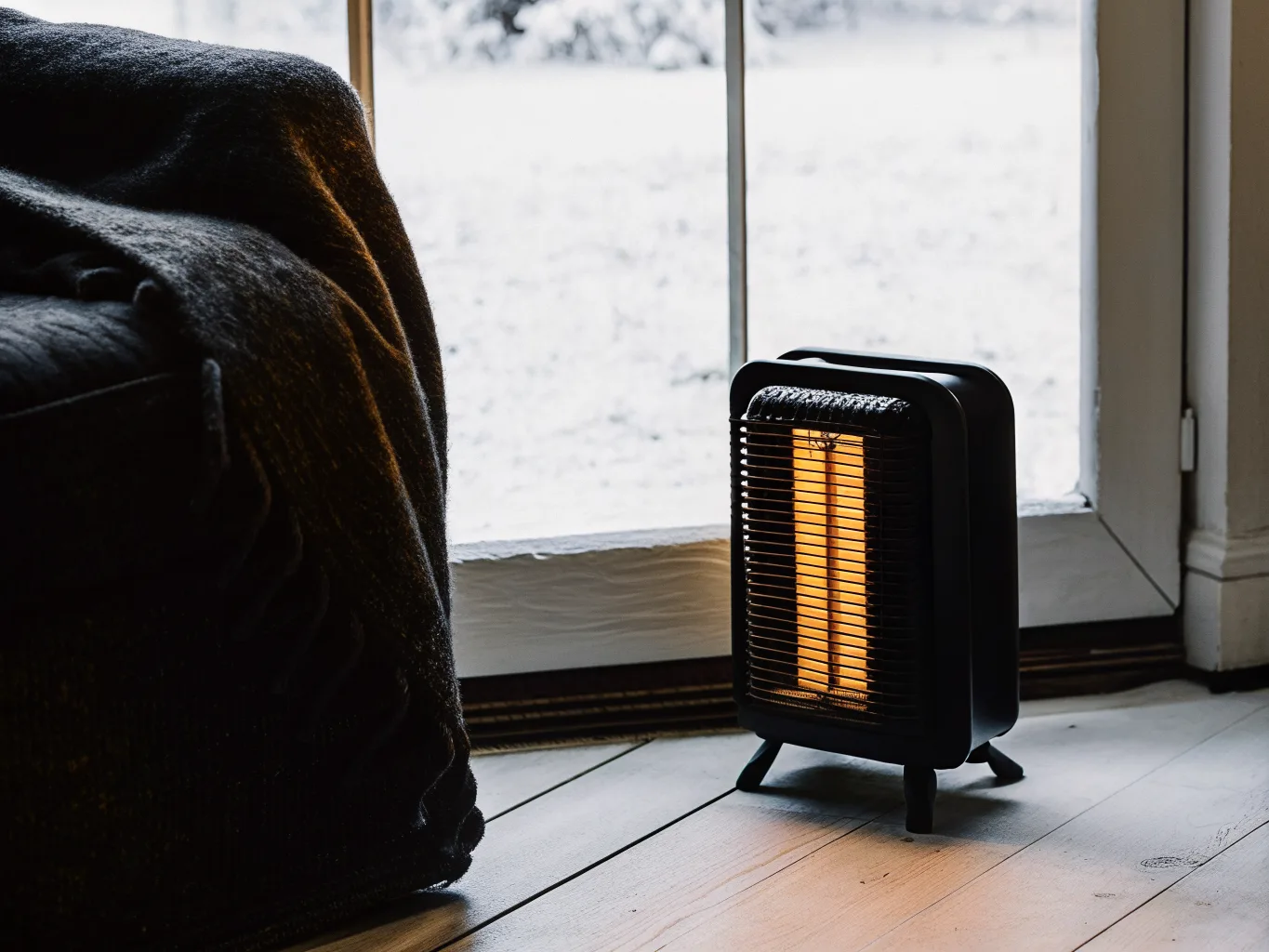
The Cold Snap and the Little Orange Box
The first real cold morning of the season, the one where you can see your breath in the kitchen, and there it is: the space heater, hauled out of the closet, humming away by the armchair. It cost thirty-nine dollars. It warms the one room you're actually sitting in. It feels thrifty, even virtuous, like you're outsmarting the whole heating bill by not turning on the furnace. (We told ourselves the same thing for two winters.)
Then the electric bill comes, and the furnace you were so proud of avoiding turns out to have been the cheap option all along.
How the Little Box Actually Eats
A standard space heater on its high setting draws 1,500 watts. That is 1.5 kilowatt-hours for every hour it runs, and a kilowatt-hour is the unit your utility bills you by. The latest monthly figure currently available from the U.S. Energy Information Administration is 18.31 cents per kilowatt-hour for July 2026. So the heater costs about 27 cents an hour to run. That sounds like nothing. It is nothing, for an hour.
Run it eight hours a day through a 30-day month, which is exactly what happens once it lives next to your desk, and you're at roughly $66 for that month from one outlet. At the same use for 120 days, the cost is about $264 for a single small appliance. That is not a rounding error on the bill. That is a line item bigger than a lot of streaming stacks, coming from a box you bought because it felt like the frugal move.
Why "100 Percent Efficient" Is a Trick of Words
Space heater marketing loves the phrase "100 percent efficient," and technically it's true: nearly every watt the heater pulls turns into heat in your room. Here's the mechanism that phrase hides, though. Efficiency at the outlet is not the same as cost per unit of heat. Electric resistance heat converts electricity into heat at the point of use, but that does not make it the cheapest option.
The operating cost of a natural-gas furnace depends on local fuel prices and equipment. The Department of Energy says heat pumps can use up to 75 percent less electricity for heating than electric-resistance systems because they move heat rather than generate it. Your utility rates and heating system determine which option costs less. The space heater can't do that. It makes heat the brute-force way, and the brute-force way is the one you pay the most for. "Efficient" was describing the wrong thing.
When the Heater Is Actually the Right Call
I'm not here to take your space heater away. There's a real case for it, and it's narrow: heating one small room for a short stretch while the rest of the house stays cool. If your home office is the only warm room you need from nine to five, a space heater there while the central thermostat sits at 62 can genuinely cost less than heating the whole house to 70. The trick is that it only wins when it's replacing whole-house heat, not adding to it.
The trap is the opposite pattern, the one most of us actually run. Furnace on, keeping the house comfortable, and the space heater also on, in the room you happen to be in, because that spot feels a little drafty. Now you're paying for the expensive heat and the cheap heat at the same time. That's not supplementing. That's double-billing yourself.
What We Changed After the First Big Bill
Two things, both boring, both worth real money. We moved the thermostat down a few degrees and let the space heater carry one room instead of the reverse, so the heater replaces whole-house heating for that space instead of stacking on top of it. And we stopped leaving the thing running in an empty room, which is where most of that $66 was quietly going.
One more, and this one isn't about money. A 1,500-watt heater pulls hard on a circuit, and left running on a rug or against a curtain it is a genuine fire risk; space heaters are one of the top causes of home heating fires. Give it three feet of clearance, plug it straight into the wall and never into a power strip, and turn it off when you leave the room. The frugal instinct is fine. Just make sure the box is actually saving you the money you think it is.