
The Zero-Down Solar Loan Has a Dealer Fee in the Price
The salesman quoted a beautiful interest rate on the driveway, lower than your mortgage. What he didn't say is that the low rate is paid for by a fee of a fifth to a quarter of the system price, rolled silently into the amount you finance. The cash price and the financed price are two different numbers, and only one of them is on the contract.

The Rate on the Driveway Was Too Good
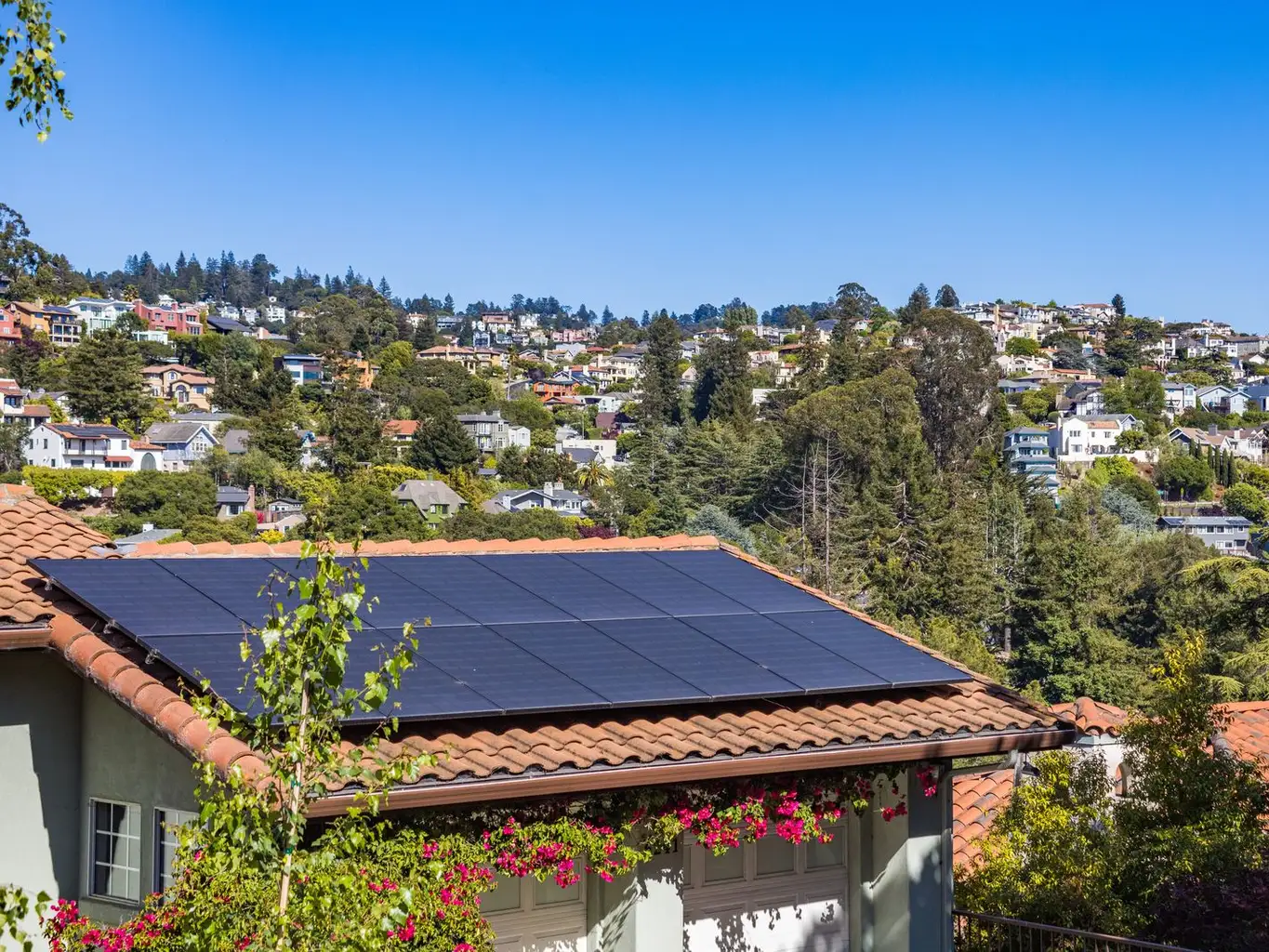
He set the tablet on the hood of the car, and the number on it was lovely. A 3.99 percent interest rate on a rooftop solar system, financed over twenty-five years, nothing down. Lower than most mortgages. (My neighbor called me over the fence to brag about it, which is how I ended up reading his contract at his kitchen table two nights later.) The rate was real. The rate was also the most expensive part of the deal, and that is the trick worth understanding before anyone puts a tablet on your car.
Some solar loans with unusually low advertised rates include dealer fees. In those arrangements, the lender charges the installer a fee associated with the lower rate, and the installer may pass that cost to the customer through a higher financed system price. Ask how the quote is structured before comparing rates. You do not write a check for it. You finance it, with interest, for twenty-five years.
How the Fee Actually Moves
Follow the money, because it explains the whole thing. The lender wants to advertise a low rate to close sales. Low rates cost the lender margin. So the lender charges the installer a fee, commonly a fifth to a quarter of the loan amount, in exchange for offering that rate to the installer's customers. The installer is not going to eat that fee. The installer recovers it by charging a financed customer more for the identical system than a cash customer would pay.
For illustration, a system priced at $22,000 for cash and $28,000 when financed has a $6,000 price gap. Ask the installer and lender what that difference includes; it may include a dealer fee and other financed costs. If financed into a 25-year loan, the amount also accrues interest under the loan terms. Same panels. Same inverter. Same crew on the roof. Six thousand more, because you chose the low rate, and the low rate was the delivery mechanism for the fee.
Why the APR Doesn't Warn You
You'd think the Truth in Lending Act disclosure would catch this, since its whole job is to fold hidden costs into one honest APR. It doesn't, not here. Solar-financing fees often increase the loan principal above the system's cash price without appearing in the stated APR; CFPB has documented this practice. Ask the lender how each fee is treated in the APR and loan amount. The result is almost perfectly backward: the loan with the lowest stated APR can be the most expensive loan on the table, because the cost that would have shown up as a higher rate got moved into the price instead, where the disclosure never looks.
This is the mechanism the industry counts on. A homeowner comparing a 3.99 percent solar loan against a 7.5 percent home equity line will pick the solar loan every time on the rate alone, and walk straight into the bigger total cost. The rate is the bait. The price is the hook. The APR, the number designed to protect you, is looking the other way.
The One Question That Breaks the Whole Trick
Ask for two prices in writing: the cash price and the financed price for the exact same system. That's it. A salesperson who won't put both on paper is telling you something with the refusal. A large gap is a reason to ask for an itemized explanation, but a small gap does not prove there is no dealer fee. Compare the cash price, financed price, APR, fees, and total of payments before deciding whether the lower rate is worth it.
You can also compare financing at the cash price, such as a home-equity line or an ordinary personal loan. Compare their APR, fees, and total payments with the solar loan; the lower stated rate does not by itself identify the lower-cost option. A higher rate on a smaller, honest number frequently beats a beautiful rate on a number that was padded before you ever saw it.
Before You Sign the Installer's Clipboard
Solar is a genuinely good deal for a lot of houses, and I don't want the dealer-fee game to scare anyone off the panels themselves. The panels aren't the problem. The financing wrapped around them is. So do the unglamorous thing before you sign: get the cash price, get the financed price, put them next to each other, and treat the gap as what it is, a fee you'd be paying for twenty-five years to make a salesperson's rate look pretty on the hood of your car. The roof will still be there next week. Take the contract inside first.