
The $2 'Protect Your Order' Box Is Almost All Margin
That little shipping-protection add-on at checkout is sold like insurance and often isn't. A lot of merchants self-insure it, keep the premiums as revenue, and pay out only the rare lost package. You are buying a coverage the store profits from you not needing.

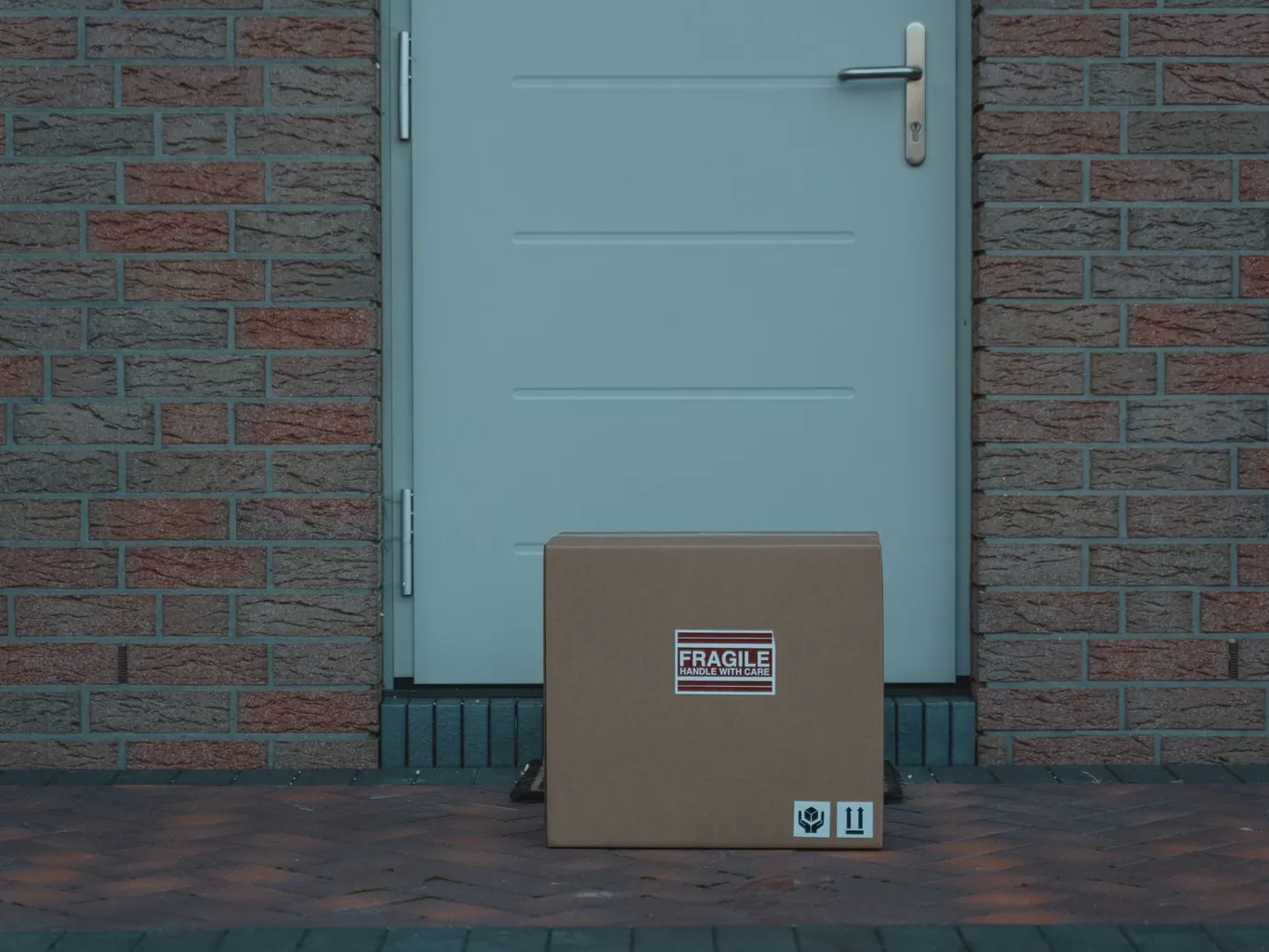
The Toggle That's Already Switched On
You've seen it a hundred times. You're at the last screen of an online order, about to pay, and there's a small box already checked. Shipping protection, it says. Package assurance. Protect your order for $1.98. It feels like the responsible thing, and it's cheap, and the box is already ticked, so most people just leave it and pay.
Here's what you're actually buying, and it is often not insurance at all. In a lot of stores, that add-on is a product the merchant sells to you and self-insures, which means they collect your $2, keep it as revenue, and pay out of their own pocket only on the small number of orders that actually go missing. The pitch these tools make to store owners is not subtle. It is, in plain terms, turn your shipping problems into a profit center. You are the profit.
Insurance Has Rules. This Often Skips Them.
Real insurance is a regulated thing. A licensed insurer has to hold reserves, get its rates reviewed, follow claims-handling laws, and answer to a state insurance department if it treats you badly. That regulation is annoying for the company and it is the entire reason insurance is trustworthy: someone is checking.
A chunk of these checkout add-ons are built specifically to sit outside that. By calling it shipping protection or a guarantee rather than insurance, and by having the merchant self-fund it rather than routing it through a licensed carrier, the product sidesteps the rules that would otherwise apply. Some of these offerings do partner with a real insurer, and those are cleaner. But many are just a line item the store invented, priced by the store, with claims decided by the same store that pockets the premium. When the company collecting the money is also the company deciding whether to pay your claim, and nobody is regulating that arrangement, you should not expect it to behave like insurance, because it isn't.
Do the Math on Who Comes Out Ahead
Insurance only makes sense when the thing you're protecting against is both unlikely and expensive enough to hurt. Run this one through that filter and it falls apart.
Most packages arrive. The share that get lost or stolen in transit is small, low single digits. So imagine the store sells that $2 protection on a thousand orders and collects $2,000. If, say, fifteen of those thousand packages actually go missing and each is worth $40 to make right, the payouts come to $600. The store keeps $1,400 of the $2,000. That is the model, and it is a good business precisely because the risk it covers is rare. You are paying a premium on every order to cover an event that happens on a handful of them, and the spread between what everyone pays in and what the few claimants get back is the store's margin. Over a year of shopping, you will almost certainly pay more into these little boxes than you ever get out.
The Part That Actually Stings: You're Already Covered
Here's the detail that turns this from a bad deal into a slightly insulting one. When a package genuinely doesn't show up, you usually already have the right to a refund or replacement without having paid a cent for protection, because the seller is generally responsible for getting the item to you.
If your order never arrives or shows up broken, the seller or the marketplace it was sold on typically has to make it right, that is baseline consumer protection, not a premium feature. And if they stonewall you, the ultimate backstop is your card. Paying with a credit card gives you the right to dispute a charge for goods you never received, and that right is federal and it works. So in a lot of cases the $2 protection is charging you for a remedy you already hold for free. You are being sold back a right you already had. This is the same move I keep flagging with add-ons like the convenience markup on no-exam life insurance, where the extra you pay is buying ease, not coverage. Here you are often not even buying ease. You are buying a second copy of a protection you got with the purchase.
When It's Actually Worth Ticking
I don't want to be absolute about this, because there is a narrow case where it can make sense. If you're buying something genuinely high-value, and the specific protection is underwritten by a named, licensed insurer rather than self-funded by the store, and the terms actually cover the thing you're worried about, porch theft, say, which some seller policies are slow to honor, then paying a couple of dollars for a clean, fast claims process on an expensive item can be reasonable. The key is reading who backs it and what it covers, in the two lines of fine print they give you, before you decide.
For the ordinary $40 order, though, none of that applies. The item is cheap enough that the seller will replace it and your card will back you up, and the protection is just margin.
Untick the Box
The single habit worth building is small and it saves real money over a year: at that last checkout screen, look for the pre-checked add-on and turn it off unless you've got a specific reason not to. It is designed to be left alone, checked by default, priced low enough that clicking to remove it feels not worth the effort. That low price and that default are the whole strategy, because two dollars times millions of carts is an enormous business built on you not bothering.
So bother. When a package really does vanish, lean on the seller and, if you have to, your card, because that is the coverage you already paid for when you bought the thing. The little box is not protecting your order. It is protecting the store's margin, and the fact that it's already ticked tells you exactly who it was designed for.
Ready to dig into the numbers? We have side-by-side breakdowns for every product mentioned in this article.