
Your Insurer Quietly Started Depreciating Your Roof
A lot of policies renewed this year with a roof settled at actual cash value instead of replacement cost. On a fifteen-year-old roof that can turn a $22,000 claim into an $8,000 check, and the change was one line on page nine of the renewal.

The Hailstorm Was the Easy Part
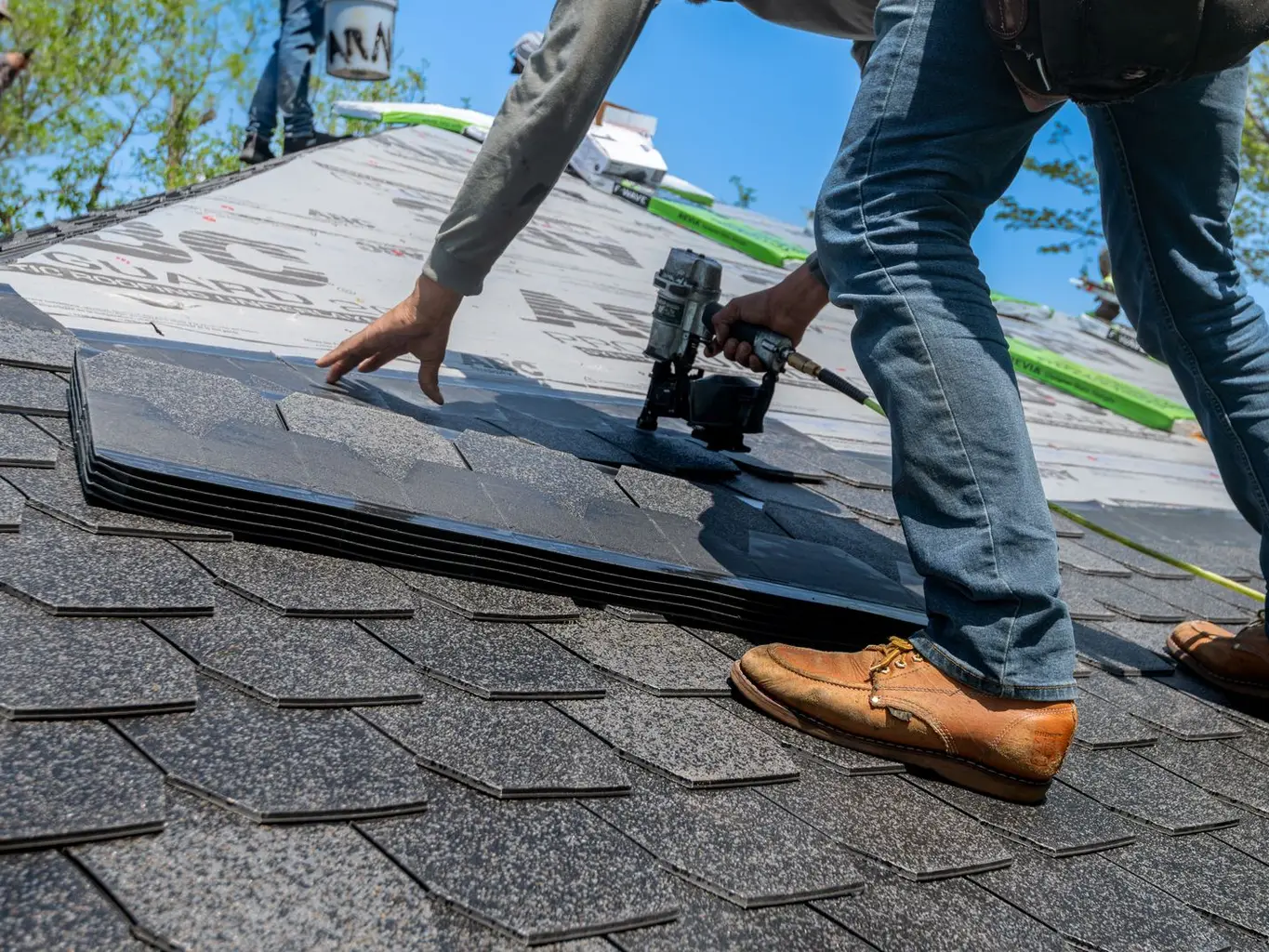
A neighbor of ours had a spring hailstorm come through, the kind where you stand at the window and wince at the sound. Her roof was fifteen years old and it took a beating. She did what you are supposed to do: called the carrier, filed the claim, got the adjuster out. The roof needed to be replaced, no argument there, and the replacement quote came in around $22,000.
The check was for about $8,000.
She was not being cheated, exactly. Somewhere in her renewal the previous fall, her homeowners policy had changed how it pays for a roof, and she signed it without knowing, the way we all sign the thing that renews itself. The change has a dull name, actual cash value, and it is quietly rewriting what a roof claim is worth for millions of houses. If you have not read your declarations page lately, there is a decent chance it has happened to yours too.
Replacement Cost and Actual Cash Value Are Not the Same Promise
Here is the distinction the whole thing turns on, and it is worth thirty seconds because it is thousands of dollars.
Replacement cost value means the insurer pays what it costs to put a new roof up today, minus your deductible. Simple. Actual cash value means they pay the depreciated value of the roof you actually had, the old one, worn by however many years of sun and weather. A roof does not hold its value like people imagine. Insurers assign asphalt shingles a lifespan, often around twenty years, and depreciate against it. A fifteen-year-old roof on a twenty-year schedule has lost most of its assigned value on paper, so the "cash value" of it is a fraction of what a new one costs. You are left to pay the difference, which is the part that used to be covered.
That is how a $22,000 job becomes an $8,000 check. Subtract a $2,000 deductible from that and she was closer to $6,000 in hand against a five-figure bill. The roof did not get cheaper. The promise did.
Why This Is Showing Up on So Many Renewals Now
Insurers did not do this to be cruel. They did it because roofs have been quietly bankrupting the homeowners line. Hail and wind claims have climbed, replacement materials and labor cost far more than they did five years ago, and roofs are the single most-claimed part of a house. Carriers responded the way carriers do, by moving the risk back onto the homeowner, one renewal at a time.
It shows up a few ways. Some policies switch the whole roof to actual cash value once it passes a certain age, often ten or fifteen years. Others keep the words "replacement cost" but bury a roof surfaces payment schedule in an endorsement, which is a table that pays a declining percentage based on the roof's age, so a twelve-year-old roof might be covered at sixty percent and an eighteen-year-old roof at thirty. Same effect, longer paperwork. This is the same climb in home-related costs pushing people out of coverage entirely, which I got into with the non-renewal letters carriers are sending. The roof endorsement is the softer version. They keep you, they just cover less of you.
How to Find Out Before a Storm Does It for You
You do not need to read the whole policy, which is forty pages of a language nobody speaks. You need to find three things, and they are usually findable in about ten minutes with the declarations page and one phone call.
Look for the loss settlement terms for the roof specifically, and see whether it says replacement cost or actual cash value. If you cannot tell, and you often cannot because it hides in an endorsement code, call the agent and ask the question in exactly these words: "If a storm destroys my roof tomorrow, do you pay to replace it or do you pay the depreciated value?" Make them answer that, not a general reassurance that you have "good coverage." And ask whether there is a roof surfaces payment schedule attached, because that is the one people miss entirely. It does not say actual cash value anywhere. It just quietly pays less every year your roof ages.
What You Can Actually Do About It
Sometimes you can buy the replacement-cost coverage back. It costs more in premium, and whether it is worth it depends on your roof's age and your local weather, but for a house in hail country with a roof under ten years old, paying to keep full replacement coverage is often the better bet than eating a depreciated claim later. Ask what the endorsement costs. Get the number before you decide it is not worth it.
If your roof is already old, the calculation shifts. An insurer is not going to write generous roof coverage on a nineteen-year-old roof, and honestly a nineteen-year-old roof is a replacement you are going to make regardless of the weather. In that case the coverage question and the "should I just replace it" question are the same question, and doing it on your schedule beats doing it on the storm's.
One more thing worth knowing, because people talk themselves into trouble here. Filing a roof claim that gets denied or barely paid still counts as a claim, and a string of claims is its own reason a carrier drops you. If the depreciated payout is close to your deductible anyway, sometimes the right move is to not file at all, and that stings to write, but a claim that nets you a few hundred dollars and puts a mark on your record is not a good trade.
Read Page Nine Before the Sky Does
The frustrating thing about this change is how invisible it is until the exact worst moment. Nothing about your house looks different. Your premium might even have gone down, which feels like a win right up until you understand what you traded for it. The coverage got thinner in a spot you cannot see, in language designed not to alarm you, and you find out during the week you can least afford the education.
So do the unglamorous thing this weekend. Pull the declarations page, find the roof, and get a plain answer to a plain question about what happens when it fails. A roof is the one part of the house standing between everything you own and the sky. It is worth knowing, before the next storm, whether your policy still thinks so.
Ready to dig into the numbers? We have side-by-side breakdowns for every product mentioned in this article.